
Session Five: PTSD
🌿Tuesday at 11:00 Where Diagnosis Ends and the Conversation Begins.

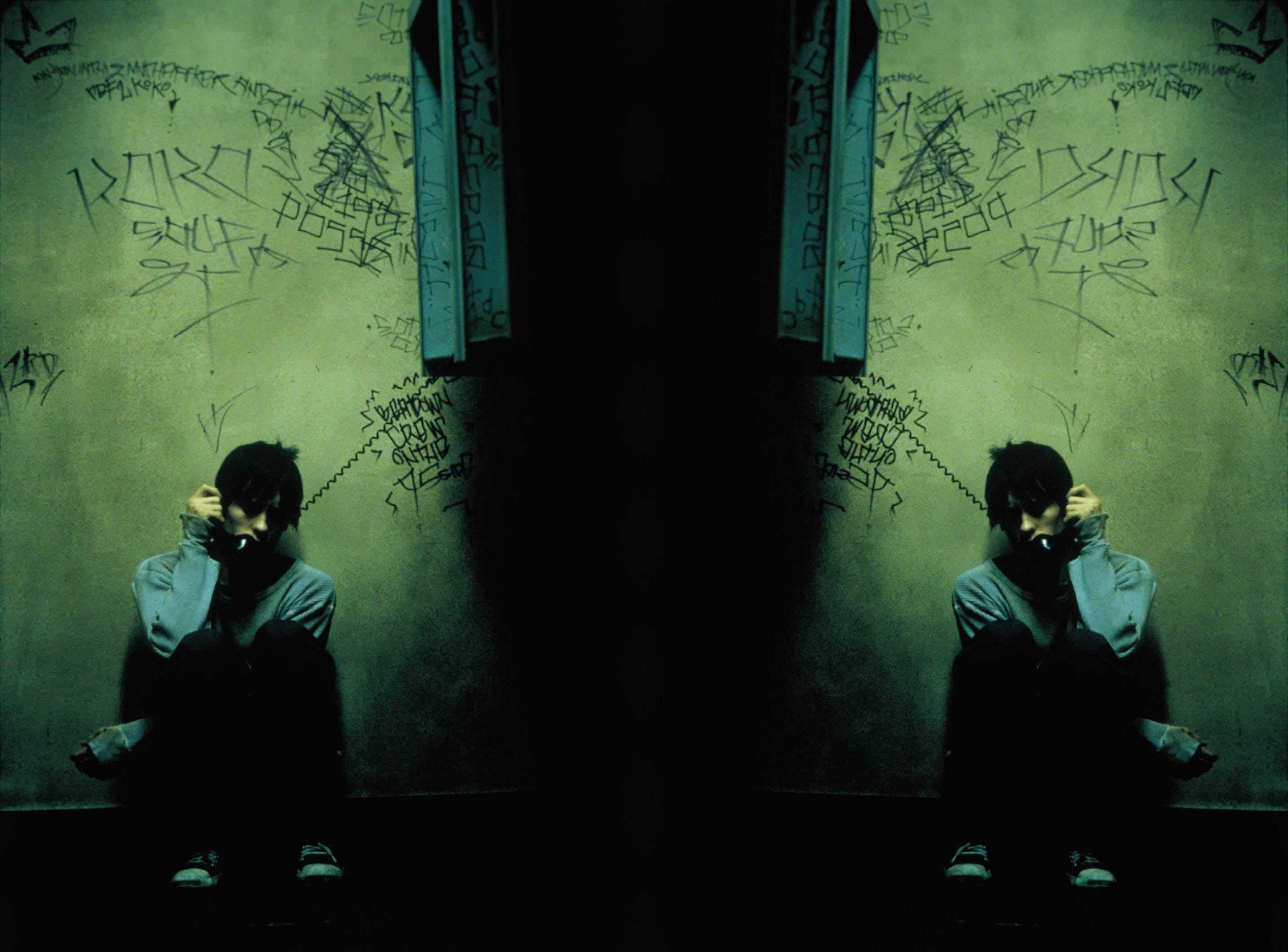
Tuesday. 11:03 AM.
You don’t come in all at once.
Parts of you enter first—
a glance over the shoulder,
a pause at the doorway,
a body that hasn’t decided if it’s safe to be here yet.
Your hand lingers on the handle longer than necessary.
Like leaving it means something could close behind you too quickly.
I don’t rush you.
I stay seated.
Still. Open.
“11:03.”
You nod, but your eyes are already scanning.
Corners. Ceiling. Window. Me.
Back to the door.
Always the door.
You step in fully now, but your body stays angled—
not facing me directly.
Not exposed.
You sit, but not deep into the chair.
Ready.
Always ready.
Your hands rest on your thighs, but your fingers twitch—
small movements, like your body is remembering something
your mind isn’t saying out loud.
The room feels different.
Not heavy.
Not fast.
Alert.
Like something here is listening for danger
even in silence.
I open my notebook slowly.
“Presenting problem: hypervigilance, intrusive memories, avoidance, exaggerated startle response, emotional distress when exposed to reminders—”
“Don’t,” you say.
Your voice is low. Controlled.
But firm.
I stop.
Look up.
You shake your head slightly.
“Don’t make it sound like it’s just happening in my head.”
There’s something in your eyes now.
Not anger.
Something closer to… warning.
“Then tell me where it happens.”
You swallow.
Your jaw tightens.
“Everywhere,” you say.
A pause.
“It doesn’t stay in the past.”
The room goes quieter.
“Tell me about that.”
You lean back slightly, but your body stays tense.
“It shows up in my body first,” you say.
“Before I can think. Before I can explain it.”
Your fingers press into your legs.
“Something shifts.
My chest tightens. My stomach drops. My skin—”
you pause, searching—
“My skin feels like it’s listening.”
That lands.
Deep.
“And your mind?”
“It tries to catch up,” you say.
A small, humorless exhale.
“Tries to figure out why I feel like I’m not safe…
when nothing is technically happening.”
You glance around the room again.
“Nothing that you can see, anyway.”
I nod slowly.
“So your body remembers before you do.”
“Yes.”
Immediate.
Certain.
“That’s exactly what it feels like.”
Your shoulders lift slightly.
Like even naming it has activated something.
“What does it remember?”
You freeze.
Not dramatically.
But enough.
Your eyes drop.
“I don’t always have words for it,” you say.
A pause.
“Just… pieces.”
Your fingers curl slightly now.
“Tones of voice.
Certain smells.
The way a room feels before something changes.”
Your breath shortens.
“I can feel when something is about to go wrong…
even when it’s not.”
The room tightens.
“And when that happens?”
You don’t answer right away.
You look at the door.
Then back at me.
“I prepare,” you say.
Your voice lowers.
“I scan. I calculate. I plan exits. I stay aware of everything.”
A beat.
“I don’t relax.”
“Because?”
Your eyes meet mine.
And for the first time—
there’s something unguarded there.
“Because the last time I relaxed…”
you stop.
Your throat tightens.
I don’t push.
Silence holds it.
You exhale slowly.
“It cost me.”
That’s all you say.
But it’s enough.
“So now you stay ready.”
“Yes.”
A whisper.
“Always.”
Your body shifts again subtle, but constant.
You’re here.
But not fully.
Part of you is somewhere else.
Watching something else.
Waiting for something else.
“People call that hypervigilance,” I say gently.
You nod, but there’s tension in it.
“They make it sound like I’m overreacting,” you say.
“Are you?”
Your eyes sharpen.
“No.”
No hesitation.
No doubt.
“I’m reacting to something that already proved it could happen.”
The truth of that sits heavy.
I don’t soften it.
“What do you take?”
You blink.
The question feels different here.
More fragile.
“Peace,” you say.
A pause.
“Rest. Safety. The ability to just… exist without checking everything.”
Your hands press together now.
“I take presence,” you add quietly.
“Because part of me is always somewhere else.”
That one lingers.
“And what do you give?”
You don’t answer immediately.
You think.
Or maybe you’re choosing carefully.
“Awareness,” you say finally.
“Instinct. The ability to read a room before anything is said.”
A small pause.
“I keep them from being blindsided again.”
There it is.
Not chaos.
Protection.
“Even when there’s nothing there.”
You nod.
“Yes.”
A beat.
“I don’t trust ‘nothing.’”
The clock reads 11:46.
Time feels stretched here.
Like it moves—but cautiously.
I close my notebook slowly.
Your eyes catch the movement instantly.
Still watching.
Still tracking.
“What would safety feel like to you?”
You go still.
Completely still.
Like the question itself is unfamiliar.
“I don’t know,” you say.
Honest.
No defense.
No mask.
“I know what it’s supposed to look like,” you continue.
“But feeling it… consistently?”
You shake your head.
“That’s not something I’ve had.”
The room softens.
Not fully.
But enough.
“So you create your own version of safety.”
You nod.
“Yes.”
“Even if it keeps you on edge.”
Another nod.
“It’s better than being caught off guard.”
That word—caught—
says more than the sentence.
We sit in it.
Quiet.
Aware.
The clock moves closer to the hour.
I stand slowly.
Not abrupt.
Not triggering.
You notice.
Of course you do.
You stand too.
Not turning your back fully.
Not yet.
At the door, you pause.
Hand near the handle.
You look at me.
“For the record,” you say quietly,
“I’m not trying to live in the past.”
“I know.”
A beat.
“I’m trying to make sure it doesn’t happen again.”
I nod.
“That makes sense.”
You hold that for a second.
Then you open the door.
Check the hallway.
Step out.
The door closes behind you.
Gently.
But the room doesn’t exhale right away.
It stays alert.
Listening.
Remembering.
🌿Not everything that shows up in the mind
is meant to be silenced.
Some of it is trying to keep you safe
in the only way it knows how.
Tuesday at 11:00
Where Diagnosis Ends and the Conversation Begins.